Essential Checklist: Typical Engine Issues and Important Inspections Before Acquiring a Ford Ranger T6
When considering the acquisition of a Ford Ranger T6, a systematic approach is crucial. Common engine failures can lead to expensive fixes if ignored. Critical evaluations, including inspections for leaks and performance issues, are fundamental to making an well-considered purchase. Knowing the vehicle's background and recognizing signs of possible issues can deliver useful information. But what key factors should purchasers examine to secure a trustworthy vehicle?
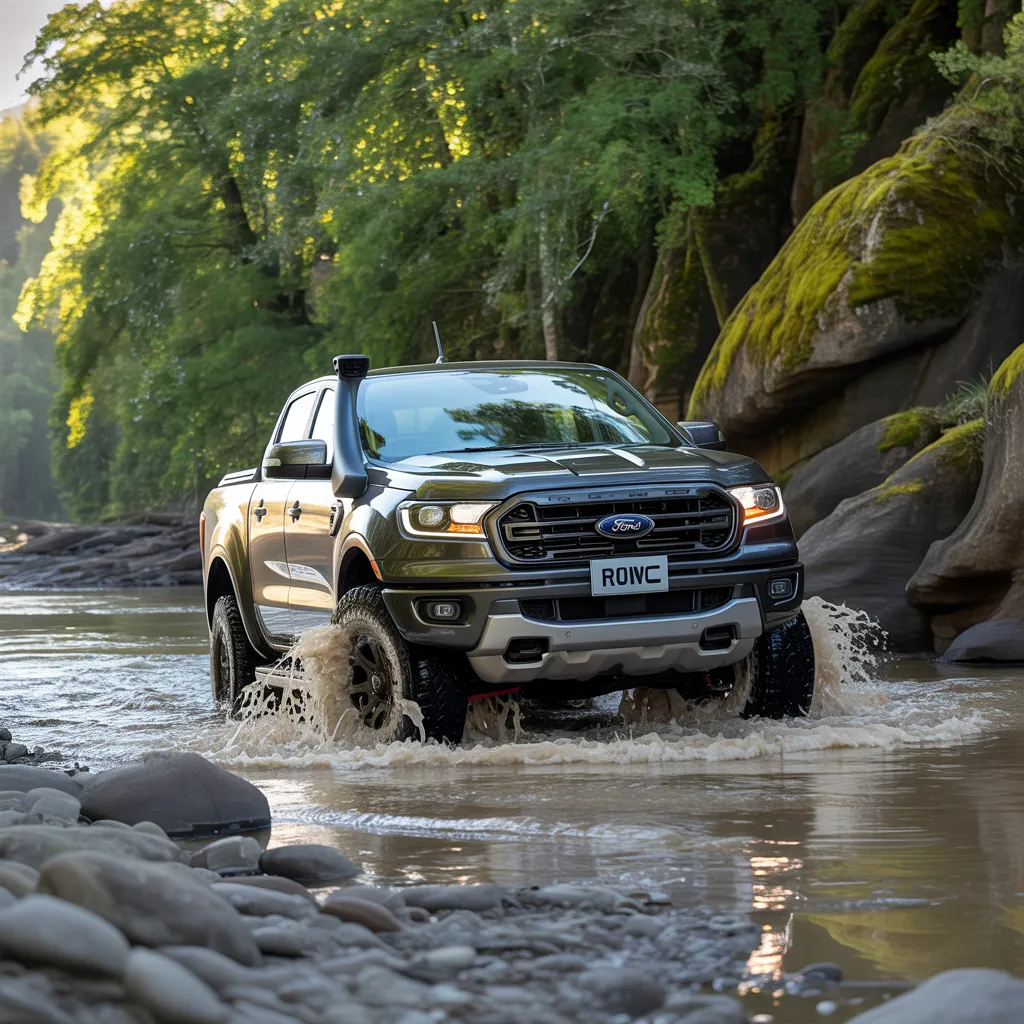
Recognize Frequent Engine Issues in Ford Ranger T6
Although the Ford Ranger T6 is renowned for its durability, it is still susceptible to engine complications that can compromise overall performance and dependability. Common problems include oil leaks, frequently stemming from faulty gaskets or worn seals, which can cause reduced oil pressure and potential engine damage. In addition, fuel injector issues can develop, causing rough idling and poor fuel economy. Drivers may also experience turbocharger problems, especially in diesel variants, which can reduce power output and elevate exhaust smoke levels.
Another prevalent concern is the timing belt or chain wear, which, if ignored, can lead to devastating engine damage. Additionally, overheating may arise due to a defective cooling system, resulting in significant engine damage. Such concerns highlight the necessity of regular maintenance and thorough inspections for prospective buyers to secure the lasting performance and dependability of the Ford Ranger T6.
Essential Overheating Warning Signs to Spot in Ford Ranger T6
In the Ford Ranger T6, overheating can often manifest through specific warning light indicators on the dashboard. Furthermore, a thorough inspection of the coolant level is vital to prevent engine damage. Identifying these warning signs promptly can help prevent significant engine problems.
Warning Light Indicators
What are the signs of overheating in a Ford Ranger T6? One of the most critical indicators is the temperature warning light on the dashboard. If this light comes on, it is a clear signal that the engine temperature has gone beyond acceptable levels. In addition, drivers ought to stay vigilant for any abnormal smells, like burnt oil or coolant, that could be linked to an overheating engine. A sudden drop in engine performance or power can also indicate potential overheating issues. Observing steam or smoke from under the hood is another alarming sign that should prompt immediate attention. Consistently keeping an eye on these warning indicators and symptoms can aid in preventing serious engine damage, preserving the durability and dependability of the Ford Ranger T6.
Coolant Level Inspection
Checking the coolant level is crucial for preventing overheating in the Ford Ranger T6. A insufficient coolant level can cause engine overheating, potentially causing severe damage. It is vital to consistently monitor the coolant reservoir, confirming that the fluid is between the min and max indicators. Evidence of coolant leaks, such as pools of fluid under the car or a sweet odor, should not be overlooked. Additionally, the temperature gauge on the dashboard should be monitored; an high reading may suggest insufficient coolant. A faulty thermostat or radiator can also lead to overheating, requiring immediate inspection. By staying vigilant about coolant levels and related symptoms, owners can preserve the condition of their Ford Ranger T6 and avoid costly repairs.
How to Identify Engine Leaks in the Ford Ranger T6
Pinpointing engine leaks in the Ford Ranger T6 requires a sharp eye and organized approach. The first step includes a visual inspection of the engine bay, searching for any indications of oil, coolant, or other fluids collecting beneath the vehicle. Common leak sources encompass the oil pan, valve covers, and gaskets. Applying a flashlight can help illuminate hard-to-see areas.
Additionally, the vehicle owner should inspect fluid levels regularly periodically; abrupt reductions could signal a underlying fluid leak. A odor of burnt oil or coolant can also suggest a leak.
Additionally, setting a new cardboard piece under the engine can capture any drips, making it easier to determine the origin of the leak. When dealing with persistent or severe leaks, consulting a professional is recommended, as specialized tools may be necessary to identify the issue with precision. Routine inspection can stop further deterioration and safeguard the vehicle's longevity.
What Your Oil Says About the Health of Your Engine
The state of engine oil functions as a vital indicator of the engine's overall health in the Ford Ranger T6. By analyzing the oil's hue and inspecting its consistency, it is possible to detect possible concerns such as contamination or overheating. These assessments are essential for prompt servicing and avoiding serious engine deterioration.
Oil Color Examination
In what ways does engine oil color indicate a vehicle's overall health? The color of engine oil acts as a key marker of its quality and underlying engine concerns. Fresh oil typically appears amber, signaling its effectiveness in lubrication. If the oil turns dark brown or black, it may indicate contamination or excessive wear, suggesting the need for an oil change. A milky appearance may imply coolant leakage, a serious concern requiring immediate attention. Moreover, the detection of metallic particles in the oil can be a warning sign of engine wear or internal damage. Monitoring the oil's color can therefore serve as a valuable diagnostic tool for prospective Ford Ranger T6 buyers, assisting them in evaluating the vehicle's overall engine health before purchase.
Viscosity Examination Techniques
Viscosity evaluation serves a critical purpose in determining engine health, especially in the case of the Ford Ranger T6. This process determines the oil's resistance to flow, providing insights into lubrication effectiveness and engine wear. Proper viscosity guarantees that engine components are sufficiently protected, reducing friction and preventing overheating. A considerable difference from the manufacturer's recommended viscosity can signal issues including contamination or oil degradation. Service professionals commonly utilize a viscometer to analyze oil samples, examining temperature and shear stress factors. Additionally, oil that appears overly thick or thin may suggest developing concerns, warranting further investigation. Regular viscosity checks are essential for sustaining optimal engine function and durability, making them a key step in the pre-purchase examination process.
How Service History Impacts Engine Reliability
Consistently examining service history is crucial for understanding engine reliability in a Ford Ranger T6. A detailed service record reveals valuable information about the vehicle's maintenance practices, revealing how well previous owners have looked after the engine. Regular oil changes, timely coolant replacements, and adherence to manufacturer guidelines suggest a proactive approach to maintenance, which can prolong the engine's lifespan.
In contrast, a lack of service records or refer to resource poor maintenance can suggest possible concerns. For instance, missed service intervals may result in sludge accumulation or deterioration of essential parts. Additionally, documented repairs highlight previous engine problems, allowing prospective buyers to assess whether recurring issues may affect reliability in the future.
Important Questions for the Seller About Engine Performance
Evaluating maintenance records is just the foundation when examining a Ford Ranger T6's powertrain performance. Those looking to buy should question the seller with specific questions to evaluate the vehicle's mechanical state. Inquire about any earlier engine maintenance or replacements, as well as the motivations for these repairs. Questions regarding the consistency of oil maintenance and the kind of oil employed can reveal details regarding how well the vehicle was maintained.
In addition, looking into any dashboard warnings on the control panel or diagnostic codes can uncover concealed faults. Potential buyers should also request information about the car's operational history, such as whether it was primarily used for city driving or off-road adventures, which can influence wear and tear on the engine. At the end of the day, identifying the seller's rationale for parting with the vehicle can shed context about any red flags. As a whole, these points of inquiry contribute to forming a more complete view of the Ford Ranger T6 engine performance and reliability.
Questions Our Customers Often Ask
What Are the Usual Signs of Engine Wear in the Ford Ranger T6?
Typical indicators of engine wear in a Ford Ranger T6 include strange sounds, too much exhaust smoke, reduced power output, excessive oil usage, and alert lights on the instrument panel, pointing to potential issues that need to be addressed.
How Reliable Is the Ford Ranger T6 Engine When Measured Against Other Models?
The Ford Ranger T6 powerplant typically exhibits consistent performance compared to other models in its class. Many owners frequently cite its durability, but consistent upkeep continues to be vital to preserving its performance and lifespan in the long run.
What Engine Modifications Should I Be Careful About?
Caution is advised with alterations that substantially affect performance, such as forceful tuning modifications or aftermarket turbocharged systems, as they can place excessive stress on the engine and cause reliability concerns, potentially canceling warranties and driving up repair costs.
Are There Specific Engine Codes to Watch for in Diagnostics?
When identifying engine faults, particular diagnostic codes like P0300 (intermittent misfire), P0420 (catalytic converter performance), and P0171 (system too lean) require careful attention. These codes may indicate deeper mechanical issues necessitating a thorough inspection.
How Can Your Driving Style Influence the Longevity of a Ford Ranger T6 Engine?
Your driving habits greatly affects the Ford Ranger T6's engine durability. Aggressive acceleration, consistently high RPMs, and inadequate warm-up can lead to increased wear, while smooth driving and routine maintenance promote ideal performance and a longer engine lifespan.